Learn about understanding the different oral medications for in office adult minimal sedation to help in applying the right drug at the right dose for the right procedure.




Providing dental care to anxious and fearful patients continues to be a major challenge facing dentists. Despite advances in management techniques and treatment delivery, patients’ preexisting opinions and experiences contribute to dental anxiety and fear. Feelings of apprehension create psychological obstacles that prevent dental patients from seeking and receiving care. Of the current techniques to facilitate coping or to minimize procedure apprehension, in-office enteral sedation or oral conscious sedation has garnered the most attention.
Dental fear is a learned response. Family, friends, and popular media can influence patients’ attitudes toward dentistry; this attitude manifests in a cycle of fear that is characterized by avoidance of care and dental pathology. Dentists have used numerous techniques to improve patient comfort during treatment, employing distraction techniques, calming dialogue, and positive reinforcement to manage anxious patients who otherwise would use the “white-knuckle” technique.
In recent years, the use of oral benzodiazepines such as triazolam and lorazepam (with or without nitrous oxide) for the diminution of perioperative anxiety and fear in dental patients has increased. State dental boards, in response, have changed or developed new regulations outlining the training and equipment needed for inoffice adult minimal sedation. Although state regulations for the provision of inoffice adult minimal sedation vary widely with respect to training and pharmacological strategies, consonance exists on the use of inherently safe drugs, the use of pulse oximetry, and the availability of emergency equipment including pharmacologic antagonists.
This dynamic lecture will cover both the science and art of oral conscious sedation in an interactive and engaging multimedia presentation. The pharmacological basis of therapeutics will be addressed, taking the principles of academia into the realm of clinical practice. Treatment strategies and protocols will be discussed in a comprehensive, case-based approach.
The speaker declares that neither he nor any member of his family has a financial arrangement or affiliation with any corporate offering financial support of grant monies for this CE program. Although commercially available products may be discussed, no financial arrangements exist between those companies and the speaker.
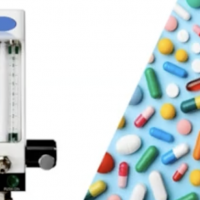
Learn about understanding the different oral medications for in office adult minimal sedation to help in applying the right drug at the right dose for the right procedure.